
How to Use Scalp Serum: A Step-by-Step Guide
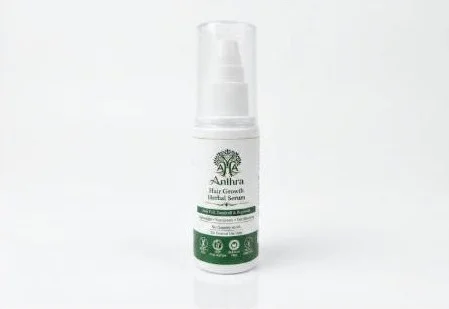
In short: This guide explains how to use scalp serum properly, from the amount and frequency to layering it with oil and styling afterwards.
A scalp serum is simple in principle: you apply it to the scalp, massage it in and leave it. Yet most of the questions people ask are about the details. How much? How often? Before or after oil? On wet or dry hair? Can I style afterwards? This guide answers those questions for the Anihra Hair Growth Serum, and explains how to fit a serum into a routine without overloading your scalp or confusing yourself about what is helping.
What a scalp serum is for
A scalp serum is a leave-on product made to be applied to the scalp rather than along the lengths of the hair. It is meant to be part of a wider routine of gentle washing, steady nutrition and scalp care. It is not a substitute for dealing with the underlying reasons for hair fall, and it is not a quick fix. Anihra products are designed to support hair health, scalp care and a consistent routine. They do not claim to cure hair loss, and results depend on the cause of your concern and how consistently you use the product.
The reason serums are applied to the scalp is practical. The scalp is where the follicles are. Applying to a clean, dry or slightly damp scalp lets the product sit where you want it, rather than coating the hair lengths where it does little. That is also why technique matters more than quantity. A small, well-placed amount does more than a large amount spread everywhere.
How to apply the serum, step by step
- Start with a clean scalp. Apply after washing, once the hair has dried until slightly damp, or on a clean dry scalp. Avoid applying to soaking-wet hair, where product can drip and dilute.
- Part the hair in sections. Divide into four or more sections so that you reach the scalp rather than the surface of the hair.
- Apply the recommended number of drops. Follow your routine card. Place the drops along each parting rather than in one spot.
- Massage gently with your fingertips. Use light circular movements for a minute or two. Avoid scratching with your nails or pressing hard.
- Leave it on. Do not rinse unless your routine card says otherwise.
- Let it absorb before styling. A few minutes is enough. Then style as usual, avoiding heavy heat straight away.
Daily or alternate days?
Follow your routine card. Most plans use the serum daily for consistency, while sensitive scalps may start on alternate days and build up. Do not double the dose to catch up after a missed day. Steady use matters more than extra product, and over-applying can leave the scalp feeling sticky or congested without adding any benefit. If you miss a day, continue from the next. If you pause for a longer period, restart on your normal schedule and keep tracking.
Using the serum with hair oil
Yes, you can use both, but do not layer them at the same time. Use oil and serum on different occasions, or as your routine card directs. Too many layers can clog the scalp and make it harder to see which product is helping. If you enjoy a traditional oil massage, many people do it on a separate evening before a wash, and apply the serum after washing on other days. If your scalp is oily or flaky, keep oil use light and make sure you are washing thoroughly enough to remove it.
Is it suitable for an oily scalp?
Yes, if it is used in the recommended amount. Apply it only to the scalp, avoid heavy layers and wash on your normal schedule. If your scalp feels sticky or congested, reduce the amount and check your wash routine. Oily scalps often benefit from washing slightly more often, with lukewarm water and a gentle shampoo, and from keeping hands and combs clean. A scalp that is washed and rinsed thoroughly has a better environment for any leave-on product.
For a dry or sensitive scalp, start on alternate days, use the lower end of the recommended amount and watch how your scalp feels. Tightness, stinging, redness or itching are signs to pause. Patch-test first on a small area of skin, and stop using any product that causes irritation. If irritation persists, seek advice from a clinician.
How long does a bottle last?
It depends on your dose and frequency. Follow the recommended drops per use and avoid over-applying. Your product page and routine card show the expected duration for the standard plan. Planning your reorder a week or so before the bottle runs out keeps the routine unbroken. Routines fail more often because someone ran out and did not reorder than because the product did not suit them.
Styling after serum
You can style as usual after letting the serum absorb for a few minutes. Avoid heavy heat directly afterwards, and keep styling gentle while your routine settles in. Tight ponytails and buns pull on the follicles for hours, and heat weakens the hair shaft, so both undermine the care you are putting in. If you colour or chemically treat your hair, space treatments out and tell the team in your assessment, so your plan accounts for it.
A realistic timeline
Hair cycles are slow. Most people first notice less breakage and a calmer scalp in about three to four weeks of a steady routine. Fine new hairs and visible density take longer, often several months, because each new strand needs time to grow long enough to be seen. Judge progress with photographs taken in the same light every two weeks, not with daily mirror checks. If your shedding is sudden, severe or patchy, or your scalp is painful or inflamed, do not wait for a product to work. See a clinician.
Mistakes that undermine any scalp serum
- Applying to the hair instead of the scalp. The product is wasted on the lengths and the scalp gets too little.
- Using more to get faster results. More product does not speed growth. It increases the chance of build-up and irritation.
- Changing everything at once. When you add three products in a week, you cannot tell which helped or which irritated.
- Skipping washes. A congested scalp makes every product less effective and more likely to irritate.
- Scratching or rubbing hard. Fingertip massage is enough. Nails can damage the scalp and spread irritation.
- Judging daily. The number of hairs you lose changes for reasons unrelated to your routine. Track weekly and compare photographs.
When a serum is not enough
If you have patchy loss, sudden heavy shedding, pain, burning, a rash or a diagnosed condition, speak to a clinician before relying on any cosmetic routine. If you are unsure which product suits your concern, the hair assessment matches your concern and scalp type to a sensible starting plan, and a consultation is available online or at an Anihra centre in Meerut, Haridwar, Bijnor or Dehradun. For patchy areas, read about Regrowth Drops. For a complete starting routine, see the 1st Month Kit.
Ordering and support
Online payment is accepted at checkout through Razorpay. Orders are dispatched through Shiprocket, with most deliveries arriving in three to seven working days and tracking and WhatsApp updates after dispatch. If anything arrives damaged, keep the packaging, take photographs and contact support on 8077434602 or info@anihra.com with your order number. The FAQ covers delivery, returns and product questions in more detail.
Used patiently and in the right amount, a serum is a small part of a sensible routine. When you are ready, order the Hair Growth Serum, follow the routine card and give it the time a hair cycle needs.
How to use scalp serum with the right product
The Hair Growth Serum is designed to be used on the schedule in your routine card. Pair it with a kit if you are building a complete routine.